Source Wood Grain Toilet Paper Dispenser for Hotel, Bathroom, and Home
Find and compare 30 wood grain toilet paper dispenser options for hotel, bathroom, and home use. These wall-mounted units feature plastic or ABS construction, customizable logos, and CE/FCC certifications for reliable commercial sourcing; compare the available evidence and request quotations based on your requirements.
Key considerations
Products List


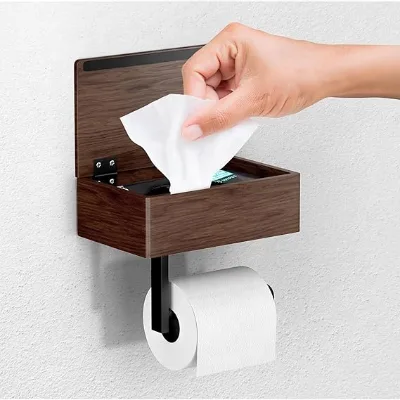
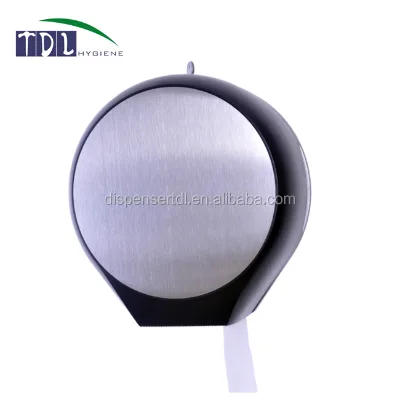


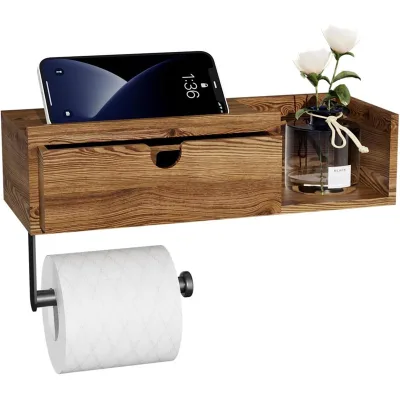


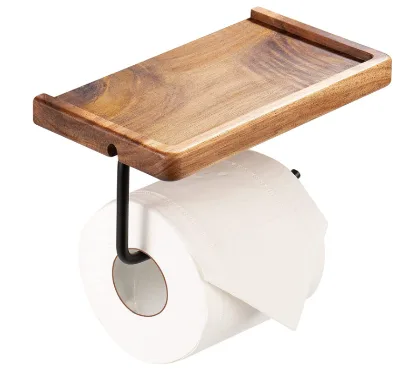


Comprehensive Sourcing Guide
Wood Grain Toilet Paper Dispenser Sourcing Guide
Procurement teams must first distinguish between the core keyword and the actual inventory signals observed in current listings. While the search term implies a specific aesthetic finish, the available data reveals a mix of products including white virgin wood pulp tissue rolls and various dispenser types made from plastic or stainless steel. Buyers should verify if the "wood grain" finish is a surface treatment on a plastic shell or a specific design variant, as the observed listings explicitly mention ABS, plastic, and stainless steel materials without confirming a wood-grain texture on the dispenser units themselves.
The observed product range includes both the tissue rolls and the dispensing hardware, creating a potential confusion in sourcing requirements. Some listings specify a "Flat Paper" tissue type with a "Jumbo roll" size, while others describe a "Double Roll Tissue Dispenser" with a circular or square shape. Sourcing strategies must clarify whether the order requires the consumable tissue, the hardware unit, or a bundled solution, as the technical specifications for the paper (15GSM, 2-ply) differ entirely from the hardware requirements (IPX1 waterproof rating, wall mounting type).
Product Scope and Observed Listing Signals
Buyers should analyze the observed listing signals to understand the breadth of available inventory before narrowing down specific needs. The data indicates a wide variance in product attributes, ranging from "Virgin Wood Pulp" tissue with a "Without Flavor" profile to hardware units described as "Under Shed" style holders. This suggests that suppliers often list multiple product categories under a single search term, requiring the buyer to explicitly filter for the specific "Wood Grain" aesthetic if that is a non-negotiable design requirement for the project.
Commercial signals such as the observed MOQ range of 1 to 40,000 units and a price spread of 0.42 to 20 USD highlight the disparity between bulk tissue orders and specialized hardware procurement. The presence of "Customized" packing and "Logo/Color" customization options indicates that suppliers are flexible, but the buyer must confirm if the wood grain finish is a standard stock item or a custom mold requirement. Understanding these signals prevents the accidental ordering of standard white plastic dispensers when a specific decorative finish is intended for the facility.
Technical Specifications to Verify
Technical verification must begin with the material composition of the dispenser shell, as the observed data lists both "Plastic" and "Stainless Steel" options alongside "ABS" material. Buyers need to confirm the specific grade of plastic or the type of steel coating used to achieve the wood grain appearance, ensuring it meets the durability requirements for high-traffic bathroom environments. The observed "IPX1" waterproof rating provides a baseline, but for wet areas, higher protection levels may be necessary, and the buyer should request specific test data for the intended finish.
Dimensional accuracy is another critical verification point, with observed specifications ranging from "160H264L142D mm" to "570320375 mm" carton sizes. The buyer must ensure the dispenser's internal dimensions accommodate the target tissue roll diameter, which is noted as "Roll Diamater<120mm" in some listings. Additionally, the "Wall Mounting Type" installation method requires verification of the mounting hardware included, as the "Export Carton" packing may vary in the inclusion of screws or anchors depending on the specific model number like "etdz" or "A7".
Compliance and Safety Documentation
Compliance documentation should focus on the electrical and material safety certifications observed in the listings, such as "CE" and "FCC" marks, which are critical for electronic or metal components. While the tissue itself is a consumable, the dispenser hardware often requires safety certifications to ensure it does not pose a fire hazard or contain harmful substances, especially if the wood grain finish involves specific chemical treatments or coatings. Buyers must request the full test reports associated with these certifications to verify that the specific batch of wood grain dispensers meets the required safety standards.
Material safety is equally important, particularly regarding the "Virgin Wood Pulp" tissue and the "Plastic" or "ABS" housing. Although "FSC" is mentioned in background notes, it is not a high-confidence fact for the current listings, so buyers should not assume the tissue is certified sustainable without explicit documentation. The procurement team must verify that the materials used for the wood grain finish are non-toxic and suitable for "Hotel" or "Bathroom" environments, ensuring they do not off-gas harmful volatile organic compounds in enclosed spaces.
Cost Drivers and Commercial Terms
Cost drivers in this category are heavily influenced by the customization level of the wood grain finish and the material choice between plastic and stainless steel. The observed "Customized" packing and "Logo/Color" options suggest that branding the dispenser with a specific wood texture or corporate logo will increase the unit price significantly compared to standard white or metallic finishes. Buyers should anticipate that the "15-20 days Production Time" lead time may extend if the wood grain pattern requires a custom mold or a specialized surface treatment process.
Commercial terms must account for the wide MOQ variance observed, ranging from 200 units to 40,000 units, which directly impacts the per-unit cost structure. The "Free" sample availability is a valuable asset for verifying the quality of the wood grain finish before committing to a large order, but buyers should clarify if shipping costs for these samples are included. Additionally, the "8PCS/CTN" or "12PCS/CTN" packing configurations affect the total shipping volume and freight costs, so the buyer must calculate the landed cost based on the specific carton dimensions provided in the supplier's data.
Supplier Qualification and Quality Control
Supplier qualification should prioritize manufacturers who can demonstrate consistent quality in applying the wood grain finish, as this is a complex aesthetic requirement. The observed "ISOCustomized" and "ISO" certifications indicate a baseline of quality management, but buyers must verify if the supplier has specific experience with textured finishes on plastic or metal surfaces. Requesting a production audit or a video of the finishing process can help ensure that the wood grain pattern is applied uniformly and does not peel or fade over time.
Quality control protocols must include a rigorous inspection of the dispenser's mechanical function, such as the "Double Roll Tissue Dispenser" mechanism and the "Core" stability. The buyer should establish a clear acceptance criteria for the "Paper Basic Weight" of 15GSM and the "2 Ply" construction to ensure the tissue does not tear easily during dispensing. Furthermore, the "Carton Size" and "Export Carton" packing must be inspected to prevent damage during transit, as the wood grain finish is susceptible to scratching if the internal packaging is insufficient.
Long-Term Procurement Checks
Long-term procurement checks should focus on the consistency of the wood grain finish across multiple production batches to ensure brand uniformity. Buyers must establish a protocol for periodic re-inspection of the finish quality, as variations in the "Plastic" or "Stainless Steel" shell coating can occur over time due to changes in raw material suppliers or production processes. Regular sampling from new shipments is essential to verify that the "Without Flavor" tissue and the dispenser hardware continue to meet the original specifications.
Supply chain resilience is another critical factor, given the observed "Lead Time" of 15-20 days and the potential for customization delays. Buyers should maintain a relationship with multiple qualified suppliers to mitigate the risk of stockouts, especially if the wood grain dispenser is a key aesthetic element for a large hotel or commercial project. Monitoring the "MOQ" requirements and production capacity of suppliers ensures that the buyer can scale orders up or down without facing significant lead time penalties or quality compromises.
FAQs
What material is used for the toilet paper dispenser?
The dispenser is constructed from durable plastic or stainless steel shell materials. Some models also incorporate ABS components for enhanced structural integrity. These materials ensure long-lasting performance in high-traffic bathroom environments while maintaining a sleek, modern aesthetic suitable for various commercial settings.
Can the dispenser be customized with a logo?
Yes, customization is available for logos and colors. Buyers can request specific branding to match their facility's identity. This service allows for personalized touches on the dispenser surface, ensuring that the product aligns perfectly with corporate or hotel branding guidelines while maintaining functional reliability.
What is the minimum order quantity for these dispensers?
The minimum order quantity varies by model, typically ranging from 200 to 500 pieces. Specific MOQs depend on the selected product specifications and customization requirements. Buyers should verify the exact MOQ for their chosen model to ensure compliance with supplier production thresholds and pricing tiers.
How is the dispenser installed in a bathroom?
The dispenser features a wall mounting type installation for secure placement. It is designed to be fixed directly to bathroom walls, ensuring stability and ease of access. This mounting method simplifies setup and maintenance, making it ideal for hotels, offices, and public restrooms requiring reliable hardware.
What certifications do the plastic dispensers hold?
Plastic dispenser models typically hold CE and FCC certifications. These certifications indicate compliance with relevant safety and electromagnetic standards for electronic components if applicable. Buyers should verify specific certification documents for each model to ensure they meet local regulatory requirements and quality expectations for commercial use.
What is the lead time for production?
The production lead time is generally 15 to 20 days. This timeframe covers manufacturing, quality control, and preparation for export. Buyers should account for this duration when planning inventory replenishment or project timelines, ensuring that orders are placed well in advance of required delivery dates.